


HOI AN – THE UNESCO HERITAGE SITE
HOI AN HISTORY
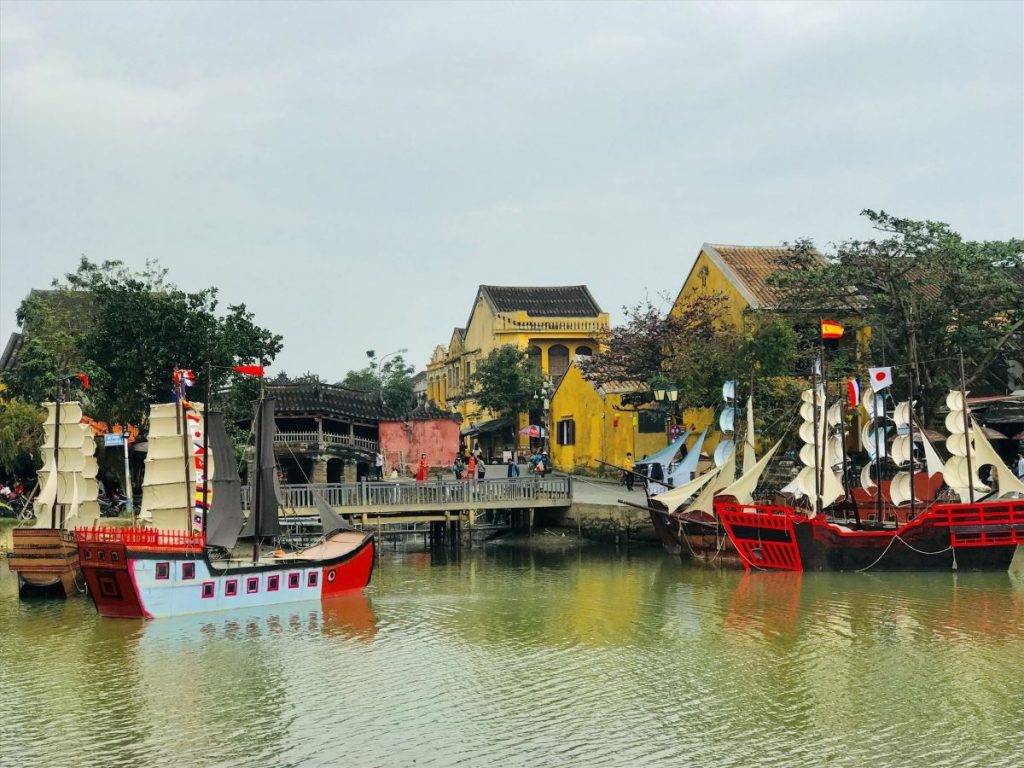
Hoi An used to be an essential trading port in Southeast Asia. Many foreign traders, mostly Chinese, Japanese, and the West, bought and sold goods and merchandise during the 17th – 18th centuries. Therefore, Hoi An’s architecture is harmoniously mixed with Vietnamese, Chinese, and Japanese designs. It is a mass of many pagodas, temples, and ancient houses that carries its unique mark, making it distinctive and unlike any other sites throughout Vietnam. Besides its architecture, Hoi An is also famous for street food such as cao lau, banh xeo, my quang, etc. that are sold on the street or in small corners around the beautiful town. With its diverse gastronomy, Hoi An is one of the 25 most appealing destinations for tourists in the world. As being the main port of the silk route, the ancient town is renowned silk and tailor. When traveling to Hoi An, you will have a chance to see more than 400 cloth and tailor shops. With many unique things, Hoi An will be an ideal destination for tourists to discover in the central part of an S-shaped country.
HOI AN WEATHER
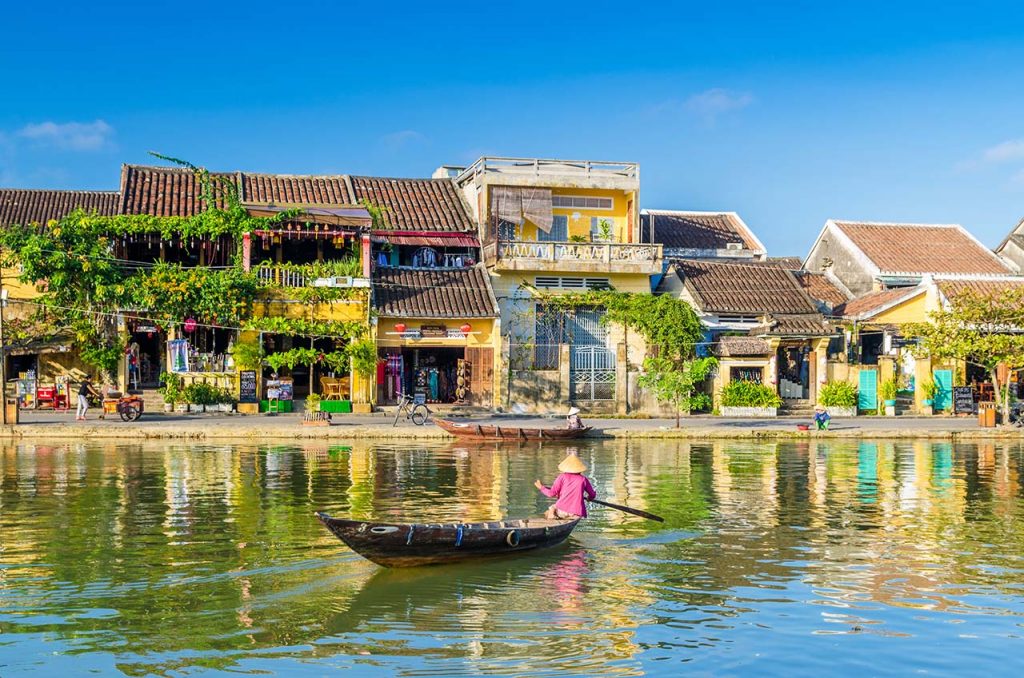
Hoi An is situated in a tropical climate with only two seasons: the dry season from February to August and the rainy season from September to January of the following year. Despite its location in the central region near the South Central Coast, Hoi An’s weather is still impacted by the cold winter in the North. The best time to visit Hoi An is from February to April, when the weather is agreeable and there is less chance of rain and flooding.
TOP ACTIVITIES
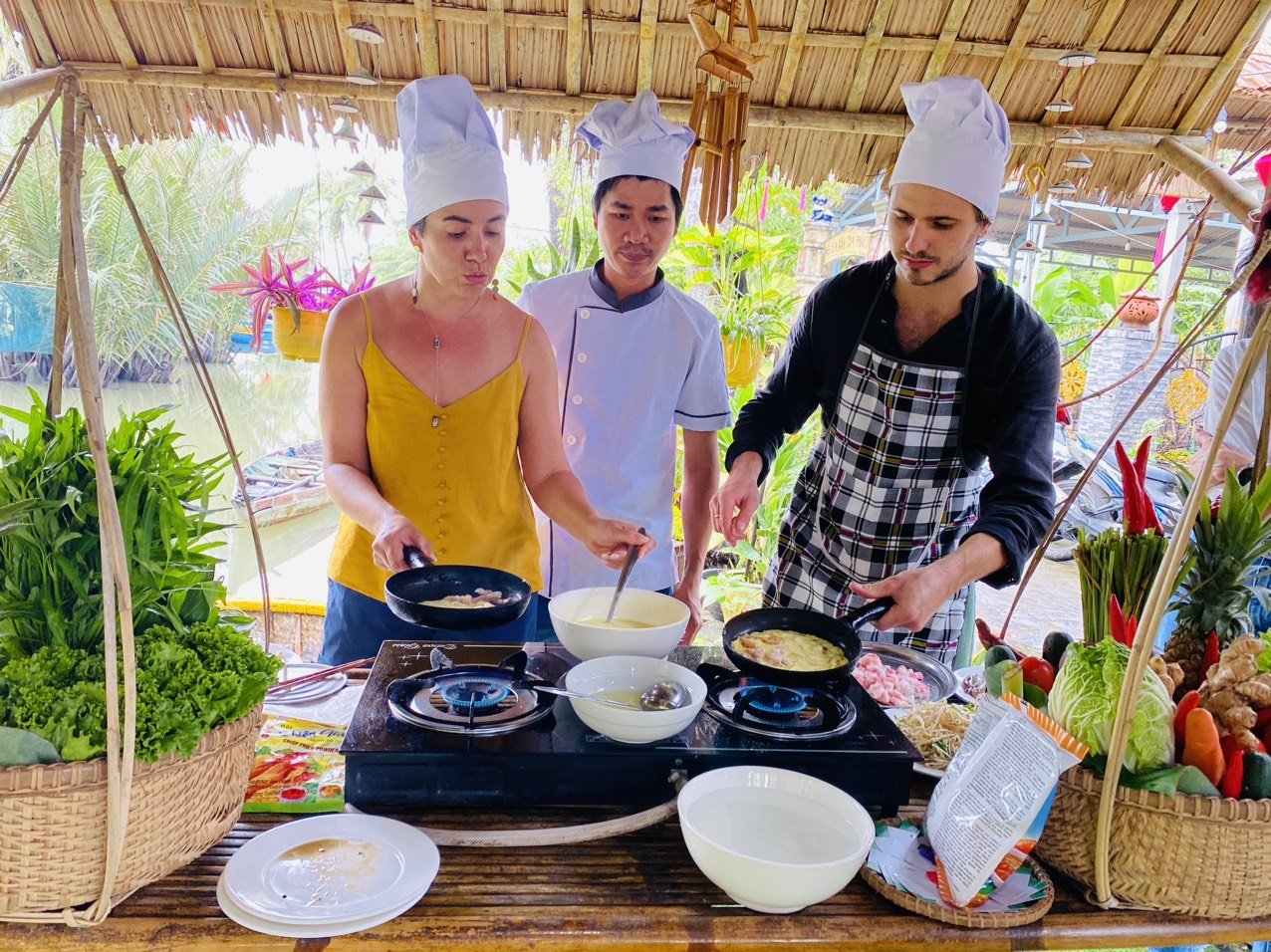
COOKING CLASS
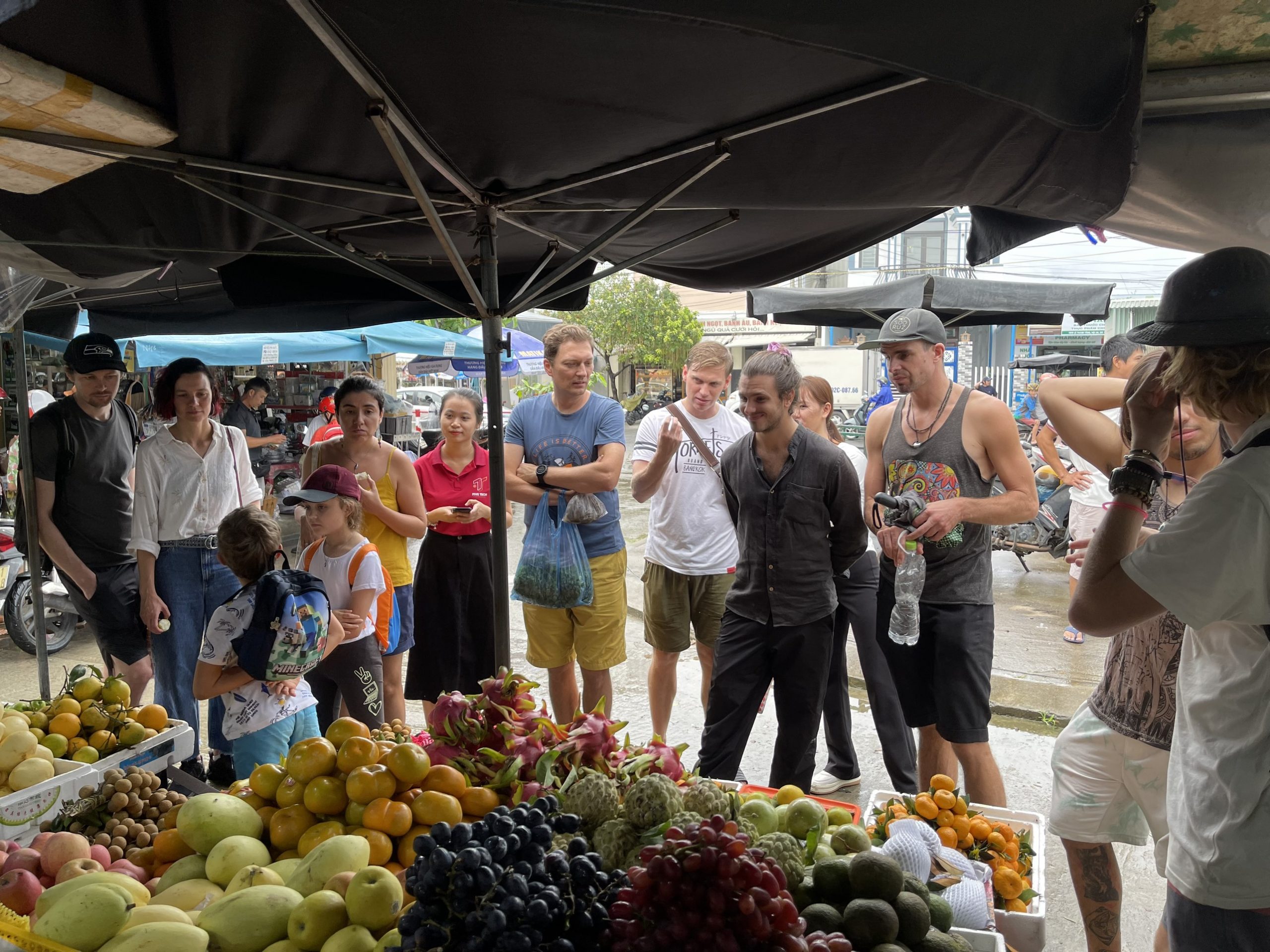
EXPLORING MARKETS

BASKET BOAT
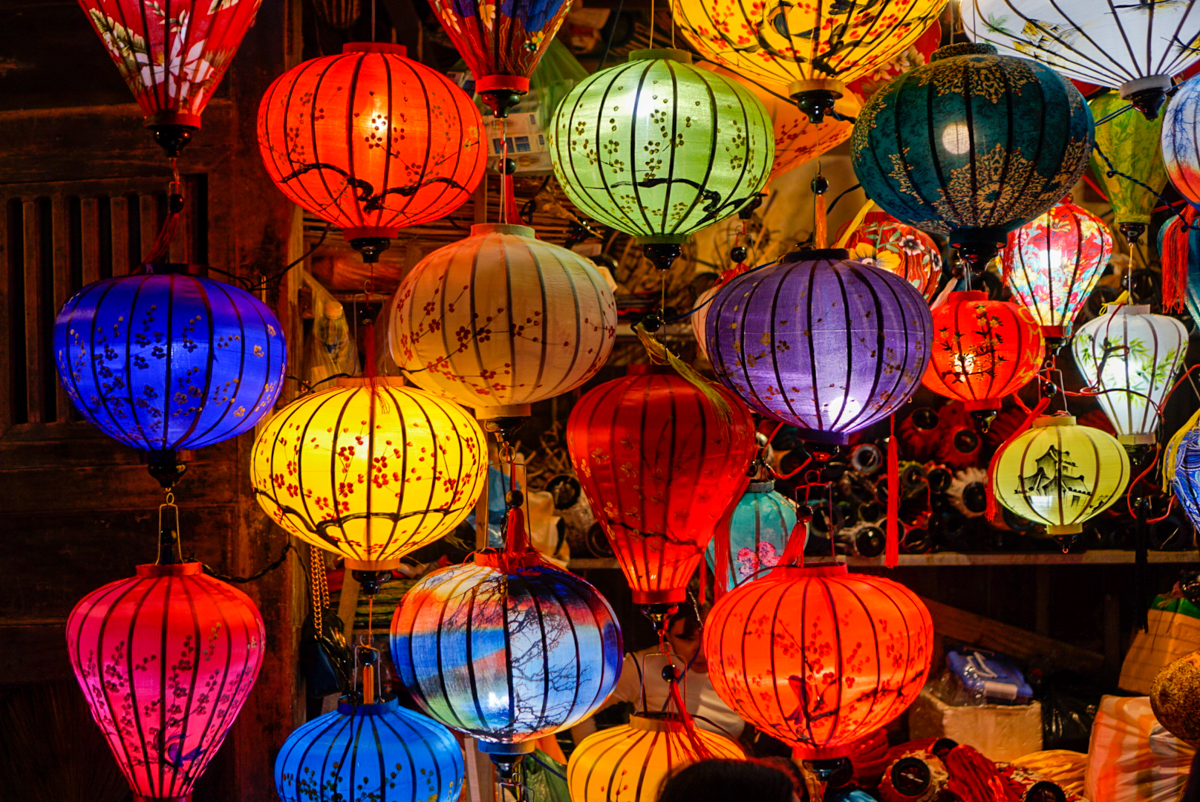
LANTERN MAKING

BIKING
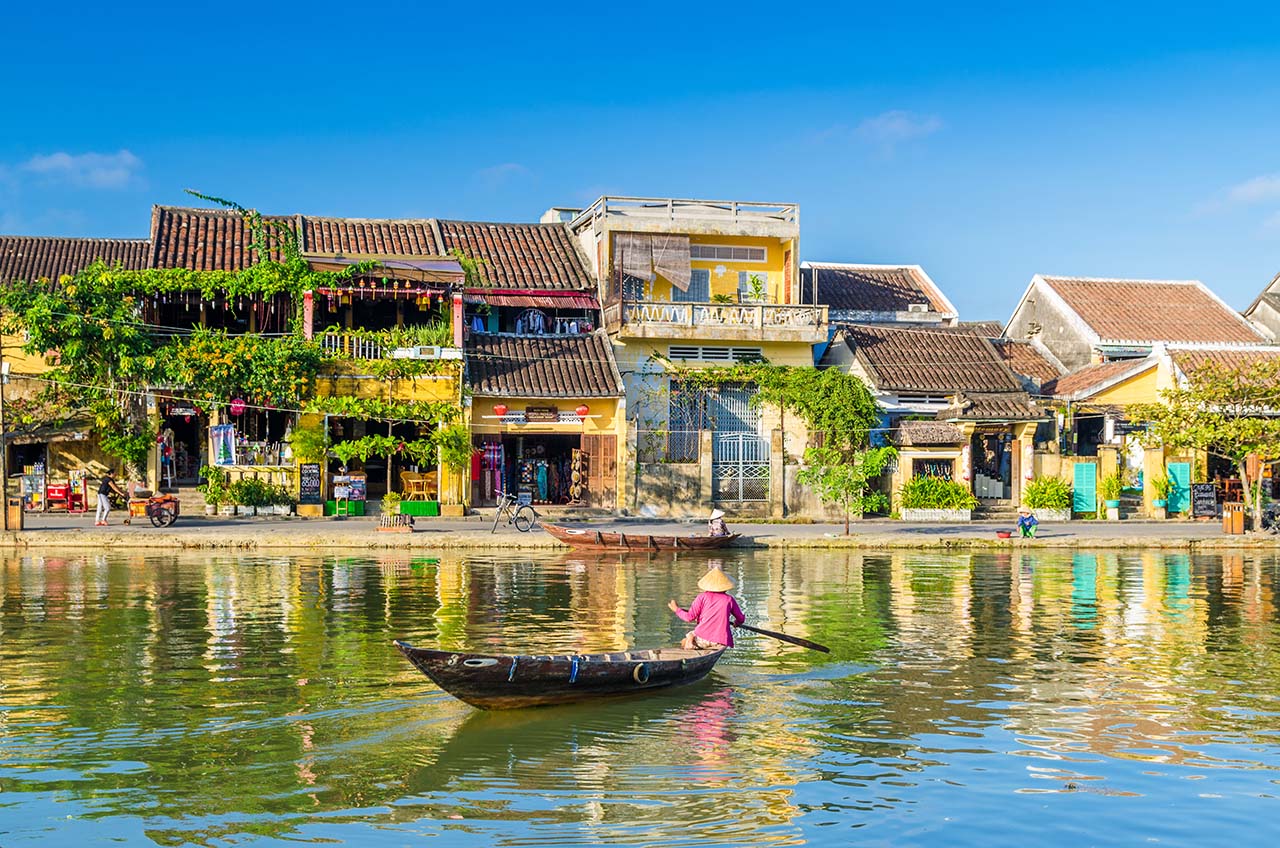
OLD TOWN
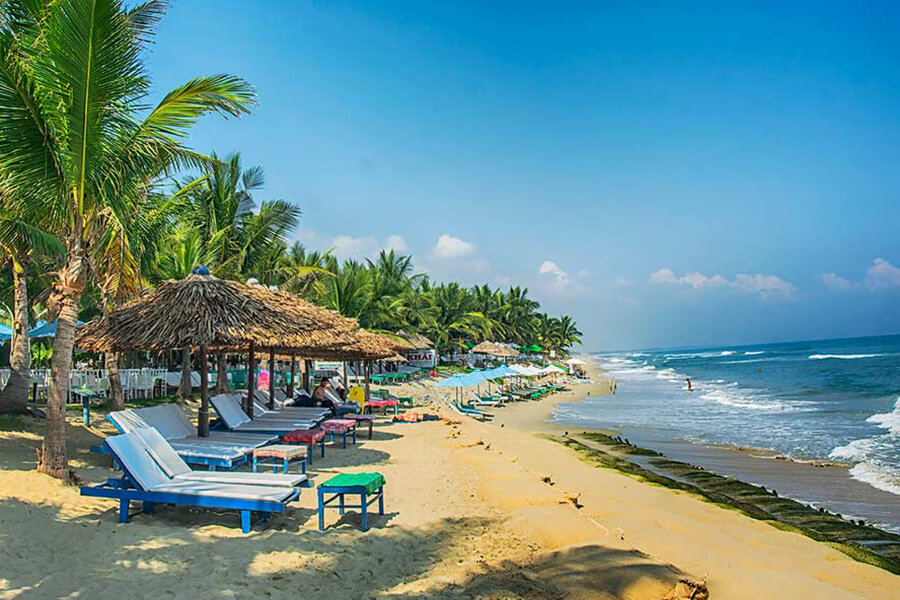
CUA DAI BEACH
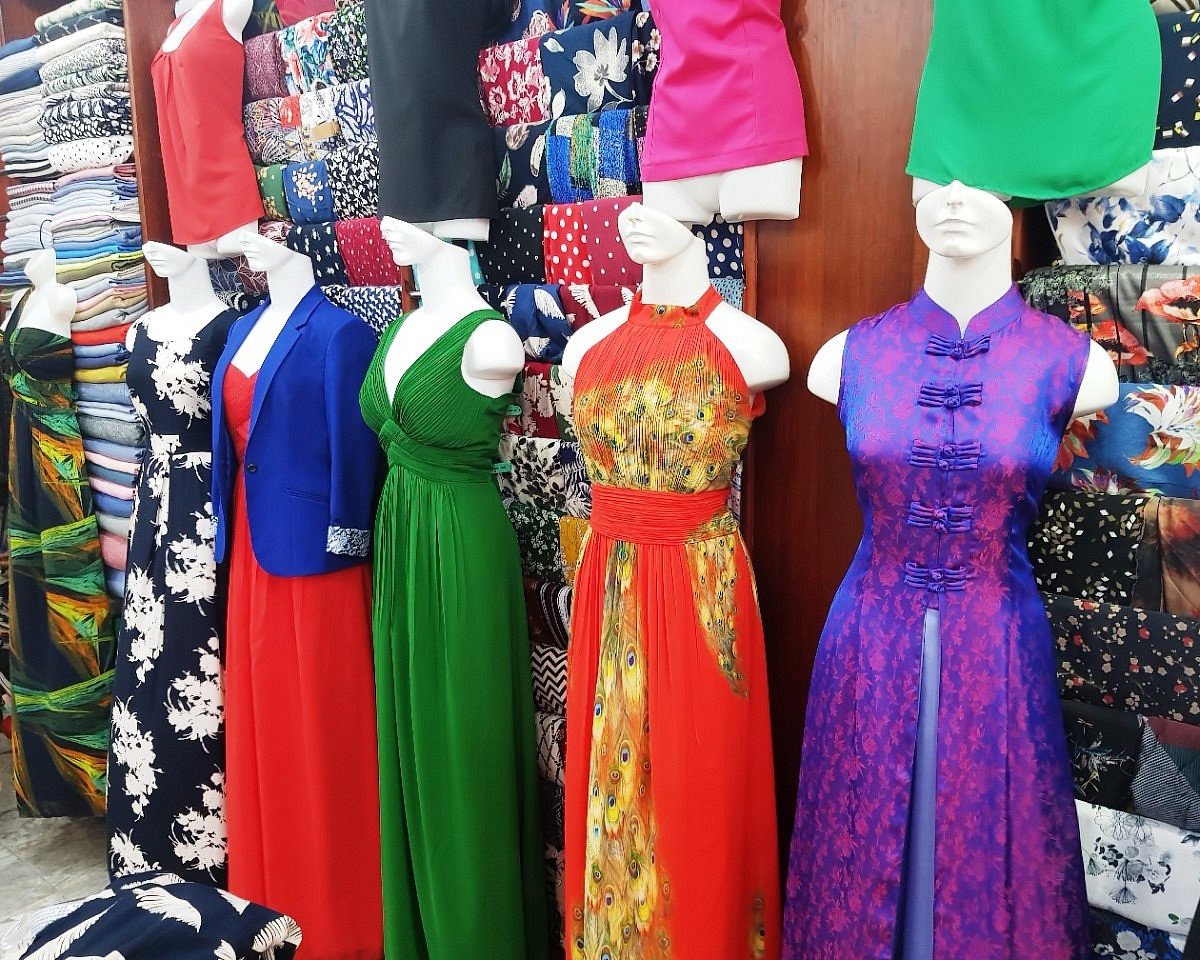
TAILOR MAKING

 Tiếng Việt


